Are you wondering how to pick the right diamond size for your engagement ring?
Carat weight, the measurement of a diamond’s weight, is one of the most talked-about (and unfortunately often misunderstood) parts of choosing a diamond.
The truth is; while it’s easy to get caught up in numbers, what really matters is how the stone looks on your hand. And of course, how it feels, and whether it fits your style and budget.
In this guide, we’ve broken down the differences between 1 ct, 2 ct, and 3 ct diamonds, highlighting how they look and how prices typically work in Australia. And we’ve also shared practical tips to help you pick the diamond that’s just right for you.
What is a Diamond Carat?
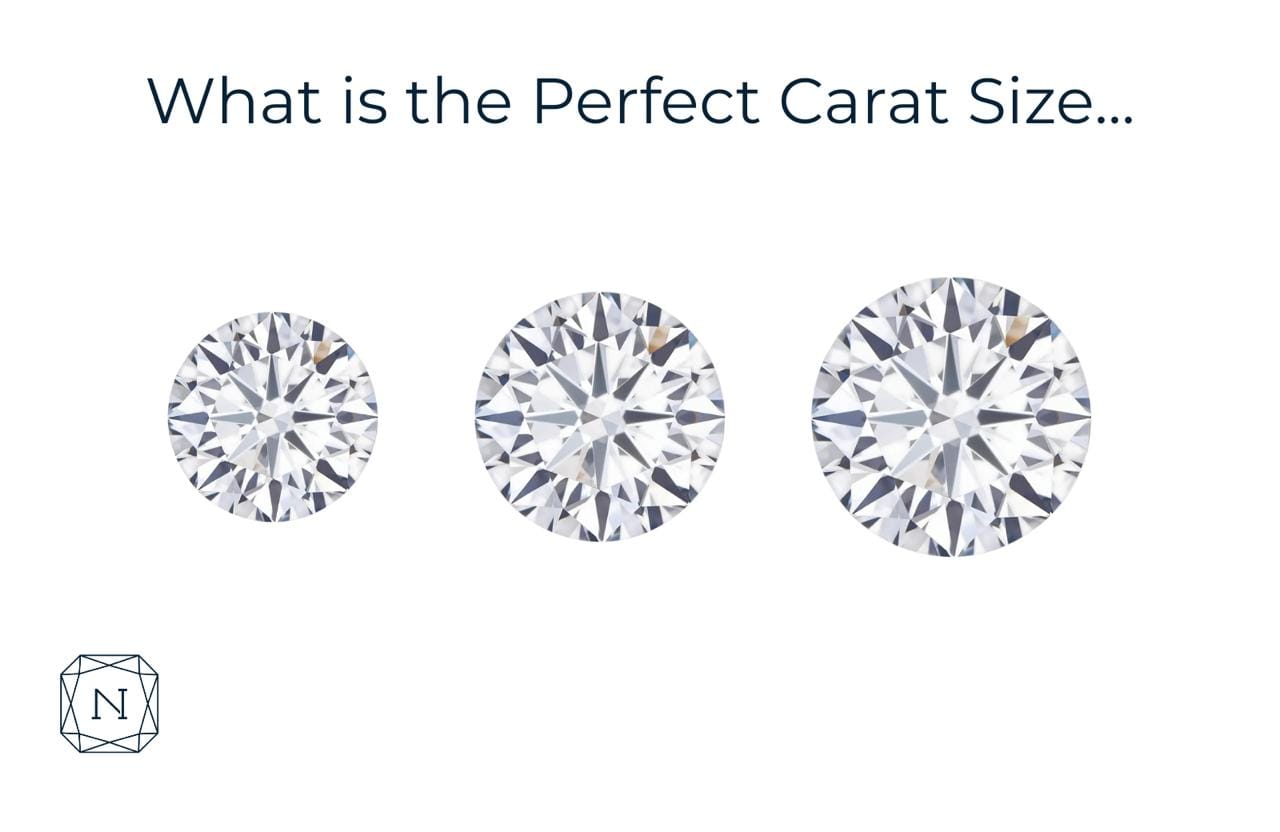
A diamond’s carat refers to its weight (technically 200 milligrams per carat) and is one of the “Four Cs” used to assess a diamond’s overall quality, alongside cut, colour and clarity.
Now, carat weight matters, of course. But it’s only one factor in how a diamond actually looks on the hand.
For instance, two diamonds with the same carat weight can look noticeably different on the hand.
This is because a diamond’s shape, proportions, and cut quality directly affect how light travels through the stone and how large it appears when viewed from above.
A well-cut diamond reflects light back toward your eye, which makes it look brighter, sparklier, and more eye-catching. When a diamond isn’t cut as well, light escapes instead of returning to the surface, so even a heavier stone can appear smaller.
It’s also important to understand that increases in carat weight are not visually proportional. A 2 ct diamond does not appear twice as large as a 1 ct diamond.
This is where the cut and your choice of setting become essential.
Certain shapes, such as oval, pear, or emerald cuts, can appear larger than their weight suggests due to their elongated outlines.
More specifically, a diamond’s length-to-width ratio plays a big role in how large a stone appears on the finger. That’s because when a diamond is longer than it’s wide, it often looks bigger than its carat weight alone might suggest.
The ratio is the diamond’s length divided by its width. For instance, a ratio of 1.30:1 means the diamond is 1.3 times as long as it is wide.
Now, round diamonds are naturally symmetrical. So, this effect is minimal. However, a higher length-to-wide ratio for elongated shapes like oval, marquise, pear or emerald cuts really accentuate this effect.
Oval diamonds typically have a ratio between 1.30:1 and 1.50:1. Ratios around 1.30–1.40 create a gently elongated shape, while ratios of 1.41–1.50 create a much longer, stretched look that can make the diamond appear larger on the finger.
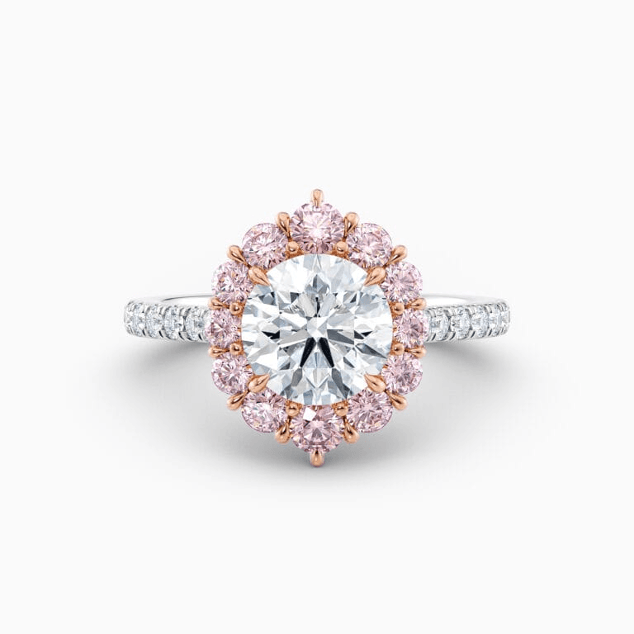
Finally, the setting also makes a big difference. Styles like solitaires, halos and pavé bands can make a diamond look bigger and more eye-catching on the hand.
1 Carat Diamonds
A well-cut 1 ct round diamond typically has a diameter of around 6.48–6.50 mm and is one of the most popular engagement ring choices because it combines elegance and practicality, making it well-suited to everyday wear.
In Australia, the price of a natural 1 carat diamond can vary significantly depending on its cut, colour and clarity. As a general guide, prices for diamonds alone typically range from AUD $4,800 to $18,000+.
However, note that most buyers find excellent value in the mid-range when cut quality is prioritised. A beautifully cut 1 ct diamond with near-colourless colour and eye-clean clarity (meaning it’s not technically perfect) can still deliver exceptional sparkle without reaching the highest price brackets.
Now, for couples who are more budget-conscious, lab-grown diamonds offer a great alternative. These diamonds are visually and chemically identical to natural diamonds, but can cost anywhere between AUD $900 and $4,800, often up to 90% less than mined stones.
This allows buyers to enjoy a high-quality 1 ct stone at a significantly lower price.
2 Carat Diamonds
A 2 ct round diamond usually measures around 8.0–8.3 mm across, and is, of course, bigger than a 1 ct stone.
But the shape you choose can make a big difference in how big it looks on your hand. For example, oval, pear or emerald cuts can make the stone look a lot larger than it is.
The setting also makes a difference: a solitaire puts all the focus on the diamond itself, while a halo surrounds it with smaller diamonds, making it shine brighter and look even bigger.
In Australia, natural 2 ct diamonds vary a lot in price depending on cut, colour, and clarity, usually ranging from around AUD $18,400 to $60,000+ for the stone alone.
Of course, lab-grown 2 ct diamonds are much cheaper, typically costing between AUD $1900 and $5,300, and giving you the same look and sparkle for a fraction of the price.
Therefore, they’re a good option if you want a large stone without spending too much.
3 Carat Diamonds
A 3 ct round diamond is usually around 9.3–9.5 mm across, making it a real showstopper.
This is the kind of stone that really stands out on the finger.
As with the smaller diamonds mentioned above, the shape can make it look even bigger: oval, pear, or emerald cuts stretch the stone and make it appear larger without adding carat weight. The setting also plays a role: a solitaire keeps the focus on the main diamond, while a halo adds extra sparkle.
In Australia, the price of natural 3 ct diamonds vary widely by cut, colour, and clarity, with loose stones usually costing between AUD $42,000 and $130,000+.
For couples who want a more budget-friendly option, lab-grown 3 ct diamonds are much more affordable, generally costing between AUD $2800 and $9,000, while still offering the same look and sparkle as a natural stone.
Australian Price Snapshot: Natural vs Lab-Grown
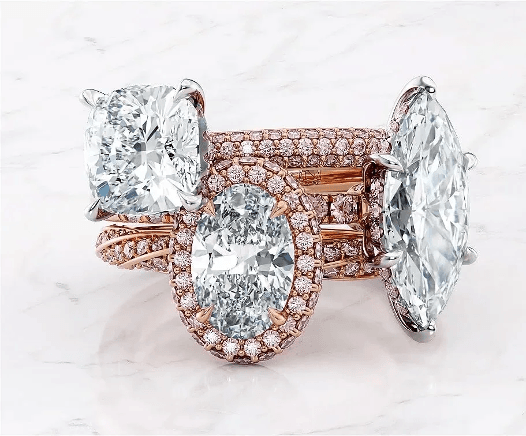
Here’s a quick snapshot of how 1 ct, 2 ct, and 3 ct loose diamonds are generally priced in Australia (stone only, excluding settings):
| Carat Natural Diamond Price (AUD) | Lab-Grown Price (AUD) (indicative) |
| 1.00 ct ~$4,800 – $18,000+ | $1000 – $4,800+ |
| 2.00 ct ~$18,400 – $58,000+ | $1900 – $5,300+ |
| 3.00 ct ~$42,000 – $153,000+ | $2800 – $9,000+ |
Note that these figures are indicative ranges. Exact prices depend on cut, colour and clarity grades.
Modern Trends & Consumer Insights (2025 Market)
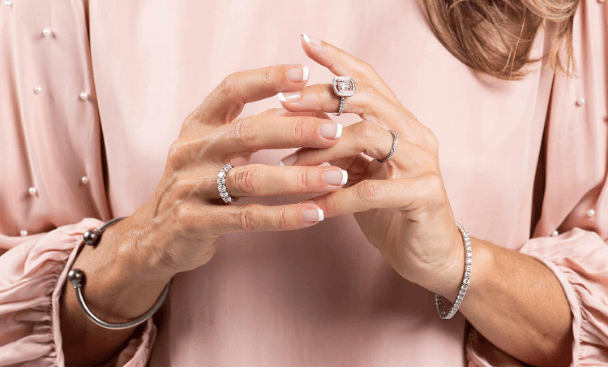
Recent Australian market data shows that diamond prices are changing dramatically. Global supply shifts (like smaller quantities of high-quality natural diamonds being mined) have made larger carat stones rarer and more expensive.
At the same time, the rise of lab-grown diamonds has made bigger stones much more accessible for couples who want a larger ring without the high price tag.
Lab-grown diamonds are not only more affordable, often costing up to 90% less than their natural counterparts, but they also appeal to buyers who have ethical and environmental considerations.
Younger generations in particular are drawn to these stones because they offer the same sparkle, durability, and look as natural diamonds, without the same cost or mining impact.
These market shifts mean that you have more options than ever. Whether you’re looking for a smaller, elegant 1 ct stone, a bold 2 ct centrepiece, or a true showstopper 3 ct diamond, there’s a natural or lab-grown option to fit both your style and budget.
- View 1 Carat Diamond Engagement Rings
- View 2 Carat Diamond Engagement Rings
- View 3 Carat Diamond Engagement Rings
Which Size is Right for You?
Here are some expert tips to help you make an informed decision:
- Think about your everyday lifestyle and comfort: you want a diamond that looks stunning but also suits your day-to-day life.
- Budget: Are you prioritising size, sparkle, or getting the most value for your money?
- Hand size & shape: Smaller fingers can make a stone appear larger.
- Setting style: As discussed, a halo setting can make the diamond look bigger, while a solitaire keeps all the focus on the centre stone for a clean, classic look.
At Nick Ireland, we always recommend focusing first on cut and brilliance, then selecting the carat size that achieves your ideal balance of beauty and value.
Whether you’re drawn to the classic elegance of a 1 ct diamond, the bold impact of a 2 ct, or the statement-making size of a 3 ct, understanding how carat weight fits into price, style, and personal preference is key.
Every diamond is unique. Just as the love it represents. And with a little guidance, we know you can find a centre stone that perfectly reflects both your style and your story.
So book a consultation with us today. We’d love to help you explore your options and find the ring that’s just right for you.